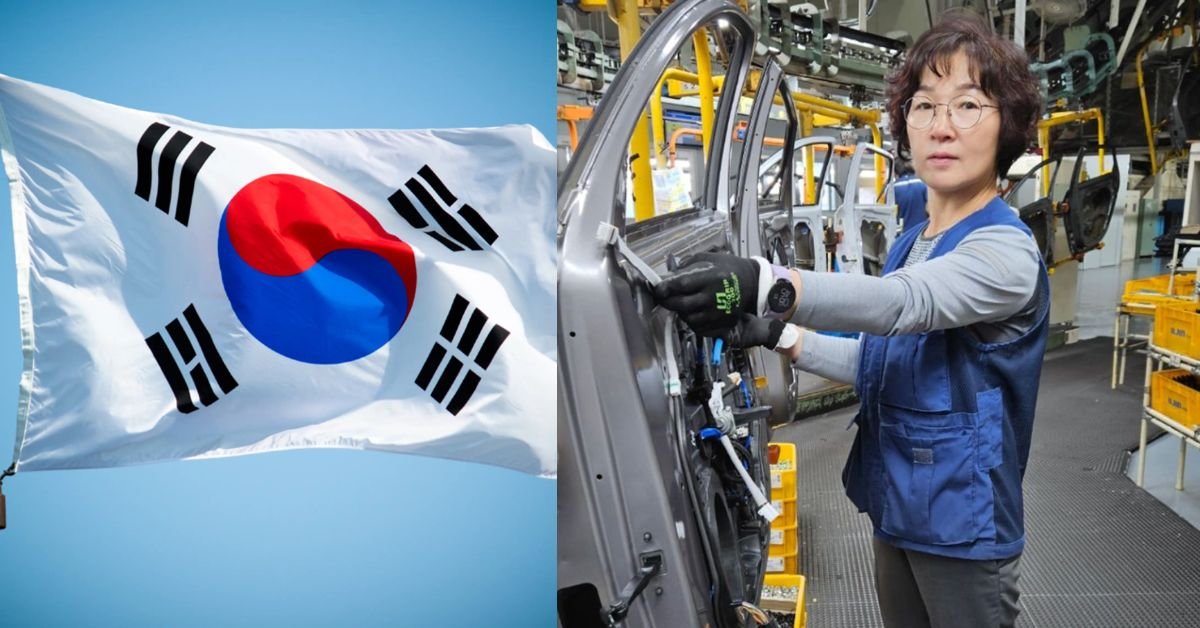
South Korea Job Visa Sponsorship 2025
Are you willing to exchange your normal lives with the metropolis of Seoul or the tranquil sceneries of Jeju? South Korea is a leading destination of international talent with its international leadership in tech and culture. But getting a job is just the tip of the iceberg, a South Korea job visa sponsorship is the ultimate Golden Ticket to your new life.
Pathways to core work visa (Sponsorship pathways)
The most important step to take is to choose the appropriate “Status of Residence. The South Korea is dividing the work visas into professional expertise and industries.
- E-7 Skilled Worker Visa: It is the main pathway of white-collar workers (IT, Engineering, Marketing).
- Requirement: bachelors degree with one year of related experience (or Master degree with experience frequently being waived).
- E-9 Non-Professional Work: It is aimed at the labor-intensive industries such as Manufacturing, Construction and Agriculture. This is controlled by the Employment Permit System (EPS).
- E-2 Foreign Language Instructor: Requirements: This is specifically to those high native English speakers or to certified teachers of a specific country to teach in a school or in a hagwon.
- D-10 Job Seeker Visa: This is a 6 months bridge visa that foreigners already in Korea (mostly university graduates) can use to seek their sponsor without leaving the country.
- J-Skip (New in 2025): This is an ultra-fast network with high throughput for the top researchers in the semiconductors and AI field, skipping the traditional point systems to the top-income and top-degree researchers.
The Sponsorship and Application Process
The South Korea work visa is employer-led unlike in most countries. It is impossible to self sponsor a general work visa.
The Visa Issuance Number (Hu-ga)
The process usually begins in South Korea. You have your employer request Visa Issuance Number in a local immigration office. Upon being vetted, the Ministry of Justice grants a certificate of Visa Issuance (CVI). You then go to the Korean embassy in your mother country and stamp your visa.
Labor Market Test (The 20% Rule)
In most of the E-7 positions, employers have to demonstrate that they are not ousting the local talents. One of the most popular guidelines is the 20-percent rule, which states that a company has to have at least five Korean staff members per every individual that they sponsor that is foreign.
Technological and Expert Keywords 2025
In order to pass, one should know the following words that are used by immigration officers and HR managers:
- EPS-TOPIK: This is the compulsory Korean language exam of E-9 workers. This is one of the requirements to get into the job pool.
- KIIP (Korea Immigration and Integration Program): This is a social integration program, which is government-based. This completion earns a set of so-called bonus points necessary to become a long-term resident ( F -2 -7 ) or a permanent resident ( F -5 ).
- Apostille and Degree Verification: South Korea is very strict in terms of documentation. Your degrees and criminal background examinations should be Apostilled or consular authenticated in the country of residence.
- Minimum Wage 2025: Starting January 1, 2025, the national minimum wage is ₩10,030 per hour (= ₩2,096,270 per month in full-time employment). Make sure that your contract is at least as big as this to prevent the rejection of your visa.
2025 “New Frontier” Visas
South Korea is innovating its visa system to get various global talent and deal with demographic changes:
- K-Culture (Hallyu) Visa: A training visa, intended to permit work or training in the entertainment industry, K-pop industry, or the fashion industry.
- Digital Nomad (Workation) Visa: Introduced to remote employees with double the Korea GNI (around $66,000+ USD in 2025). It is important to note that this type of visa does not allow you to work locally; the overseas company has to pay you.
- F-2-R (Regional Specialized Visa): This is an initiative to allow foreigners to reside and work in so-called areas of population decline in order to help them get easier entry into the country.
FAQs
-
What is the time taken to sponsor the visa?
In Korea, the Certificate of Visa Issuance (CVI) normally requires 2-6 weeks and the embassy stamp requires 5-10 days. Time taken to accept job offer and arrive is normally 2-3 months
-
Is it possible to bring family on South Korea work visa?
Professional visa holders (such as E-7) are generally allowed to sponsor their spouse and minor children to an F-3 (Dependent) visa. But E-9 visa holders do not usually allow the dependents.
-
What is a Residence Card (ARC)?
The Residence Card was formerly referred to as the Alien Registration Card, the ID issued in Korea. This has to be applied at a local immigration office within 90 days of arrival.
Final Thoughts
The South Korean employment sector is very competitive yet lucrative. The key to success is to match the specialized skills necessary with the exact codes of the techniques of the specific category of E needed by immigration. With a legitimate sponsor and proper Apostille of your documents, you can also be like one of the thousands of expats helping to make the Korean economy go.
Disclosure
The information about the job given is educational and informative. Before applying, please confirm information on the official employer or government site (e.g. on the Korea Visa Portal or on the Hi Korea).